 Nicoli Uzun
When parents of autistic or neurodivergent children get in touch, the first message is often a careful one. Many have been through assessments, waiting lists and a great deal of well-meaning advice. What they want to know is simple: Will my child be welcome here? And will music actually help?
The first answer is yes, always. The second deserves a proper, honest answer, so this post looks at what the research says, what it doesn’t, and what a good music lesson for a neurodivergent child actually looks like in practice.
First, an important distinction: lessons are not therapy
Music therapy is a clinical profession. Music therapists hold specialist postgraduate training and work towards therapeutic goals, often as part of a child’s wider care team. In Ireland, qualified music therapists are listed by the Irish Association of Creative Arts Therapists (IACAT).
Music lessons, including mine, are something different: they’re about learning music. But good lessons for neurodivergent children borrow a lot from what research has taught us, and many families find they support confidence, communication and regulation in ways that go well beyond the piano.
I think it’s important to be clear about this line, because you deserve to know exactly what you’re choosing.
What the research says
A randomised trial from Montreal
In 2018, Megha Sharda and colleagues at the Université de Montréal and McGill University ran a randomised controlled trial with 51 autistic children aged 6 to 12. Half took part in weekly 45-minute music sessions (singing, playing instruments, musical games) for 8 to 12 weeks. The other half took part in a similar programme without music.
The children in the music group showed improvements in communication, as reported by their parents, and their families reported a better quality of family life. Brain scans also showed stronger connections between the areas that process sound and those that control movement, and those brain changes were linked to the communication gains.
Just as interesting is what didn’t change: the children’s overall autism traits stayed the same. That matters, because the goal was never to make children “less autistic”. It was to support communication and connection, and that’s what shifted.
The bigger picture: a Cochrane review
Cochrane reviews are among the most rigorous summaries of evidence in health research. The 2022 update on music therapy for autistic people, led by Monika Geretsegger, brought together 26 studies with 1,165 participants.
With moderate certainty, it concluded that music therapy probably increases the chance of overall improvement, probably reduces the overall severity of autism-related difficulties as measured in those studies, and probably improves quality of life. For some specific areas, such as social interaction and verbal communication measured at the end of therapy, the evidence wasn’t clear enough to draw conclusions. No harms were reported.
Again, these studies are about music therapy, not lessons. But they tell us something valuable: structured, responsive musical interaction can make a real difference, and it’s a safe, positive experience for most children.
Why music often works so well
You don’t need a lab to see some of the reasons. Music is:
- Predictable. A beat is a promise about what happens next. For children who find the world unpredictable, that can be deeply calming.
- A way to connect without words. Two people can take turns, copy each other and “talk” on an instrument long before, or instead of, talking with speech.
- Movement and sound together. Playing links what you hear with what your body does, which is exactly the connection the Montreal study found strengthening.
- Something you can shape. Volume, speed and intensity can all be adjusted to what a child can comfortably handle on any given day.
What a good lesson looks like
Every child is different, so there’s no single formula. But these are the principles I work by, shaped by my further training in neurodiversity and by what I’ve seen help children in lessons.
The same shape every week
A familiar structure, often with a “hello” song, the same order of activities and a clear ending, lets a child relax because they know what’s coming. Visual schedules can help too.
Respect for the senses
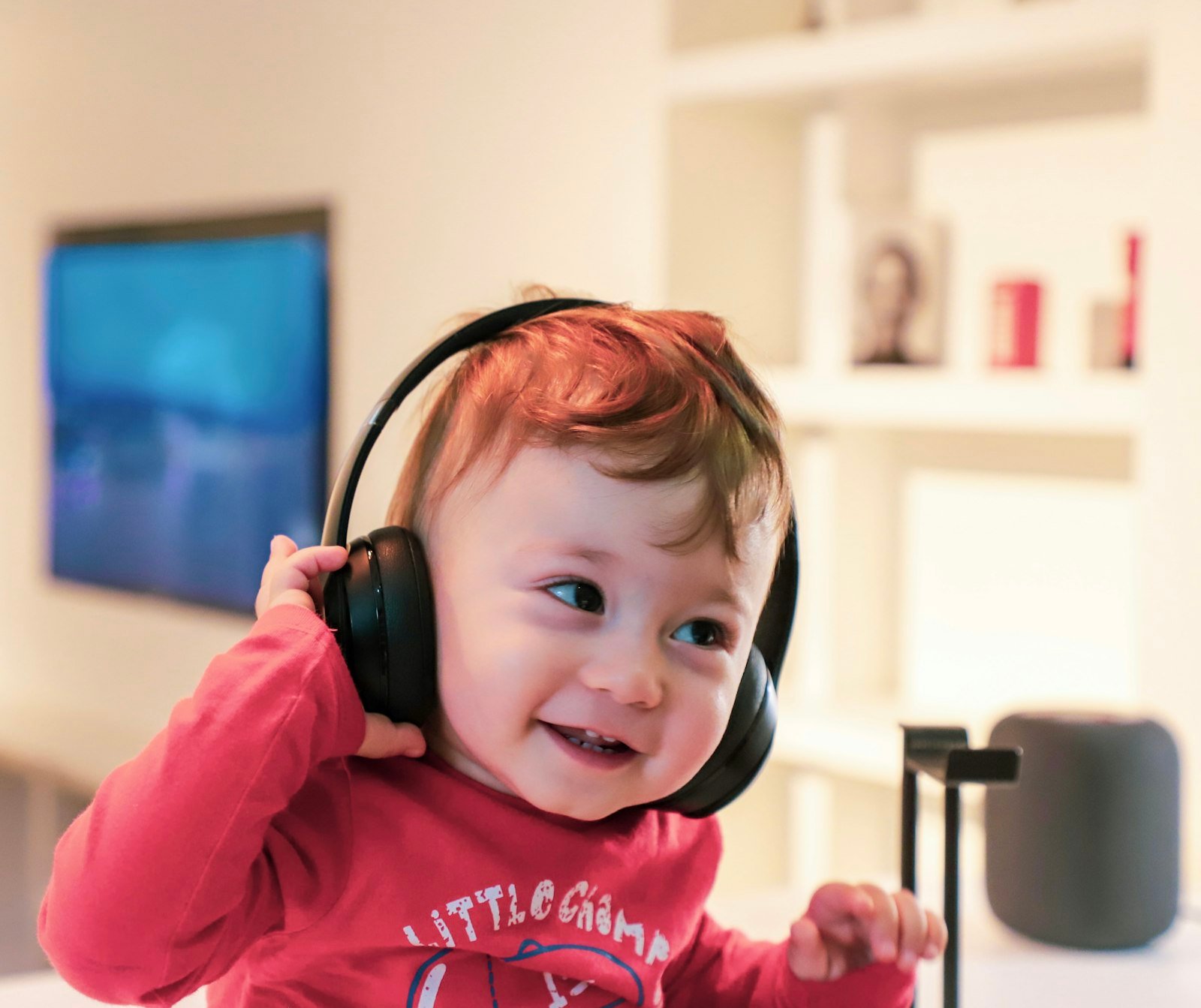
We can play quietly, use headphones, dim the lights or take movement breaks. Stimming is welcome. A child who needs to rock, pace or flap while they listen is still learning.
Following the child’s interests
If a child loves trains, dinosaurs or one particular theme tune, that’s where we start. Motivation built on genuine interest lasts far longer than anything imposed.
Small, visible wins
Goals are short and concrete. Playing a five-note pattern, holding a steady beat for ten seconds or choosing the next song independently are real achievements, and they’re celebrated.
Parents as partners
Especially at the start, parents are welcome in the room. You know your child best, and some children feel safer with you nearby until trust builds.
Every way of communicating counts
For non-speaking or minimally speaking children, pointing, gestures, communication devices and the music itself are all valid ways to take part. No one has to talk to make music.
Questions worth asking any teacher
- Have you worked with neurodivergent children before? What did that look like?
- How do you adapt a lesson when a child is overwhelmed or dysregulated?
- Can I stay in the lesson, at least at the beginning?
- How do you measure progress for my child specifically?
- What happens if a lesson just isn’t working that day?
A good teacher will welcome these questions. If someone promises to “fix” or “cure” anything, that’s a sign to keep looking.
Helpful resources in Ireland
- AsIAm, Ireland’s national autism charity, has a free resource library and family support.
- The HSE lists where to get support for autistic children and their families.
- If you’re looking for music therapy specifically, IACAT can help you find a qualified therapist.
- McGill University’s short article on the Montreal study is a very readable summary for parents.
Coming for a first lesson
The first lesson is free and there’s no pressure at all. It’s a chance for your child to explore the piano and other instruments in their own way, and for us to get to know each other. Before we meet, I’ll ask a few questions about what your child enjoys, what can be difficult, and what helps on a hard day, so the lesson can be ready for them.
Lessons are available at your home in Dublin or online, in English or Portuguese.
Read more about inclusive lessons
Sources
- Sharda, M. et al. (2018). Music improves social communication and auditory–motor connectivity in children with autism. Translational Psychiatry, 8, 231.
- Geretsegger, M. et al. (2022). Music therapy for autistic people. Cochrane Database of Systematic Reviews, Issue 5, CD004381.
- Irish Association of Creative Arts Therapists: Music Therapy.